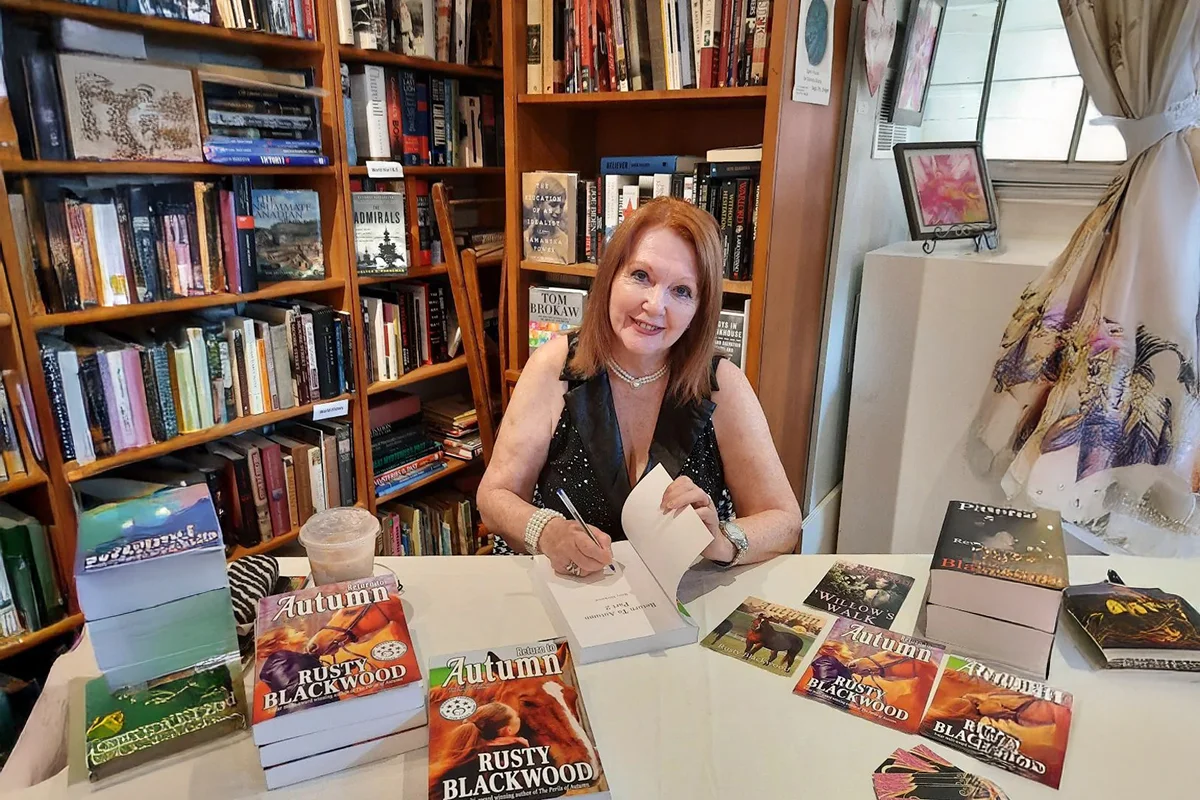


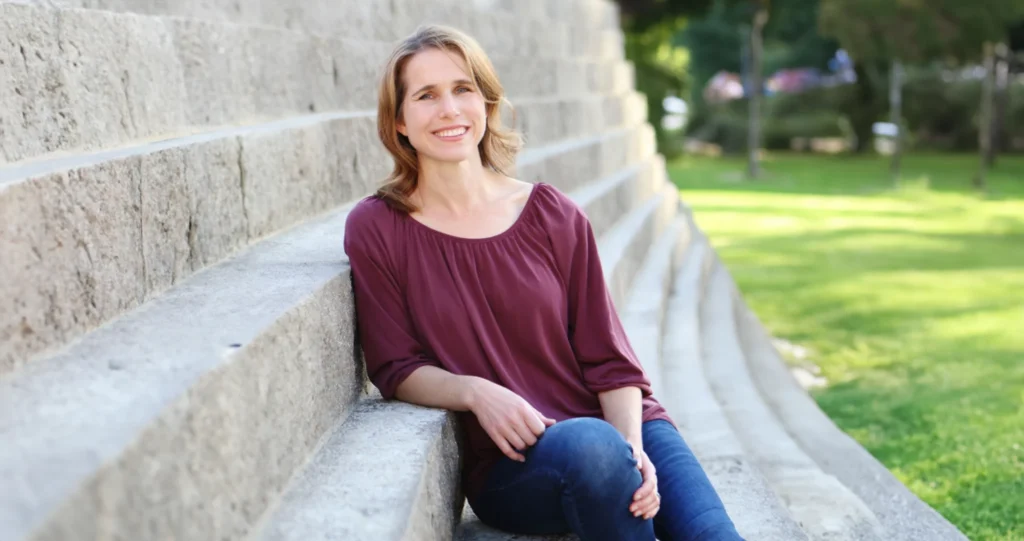
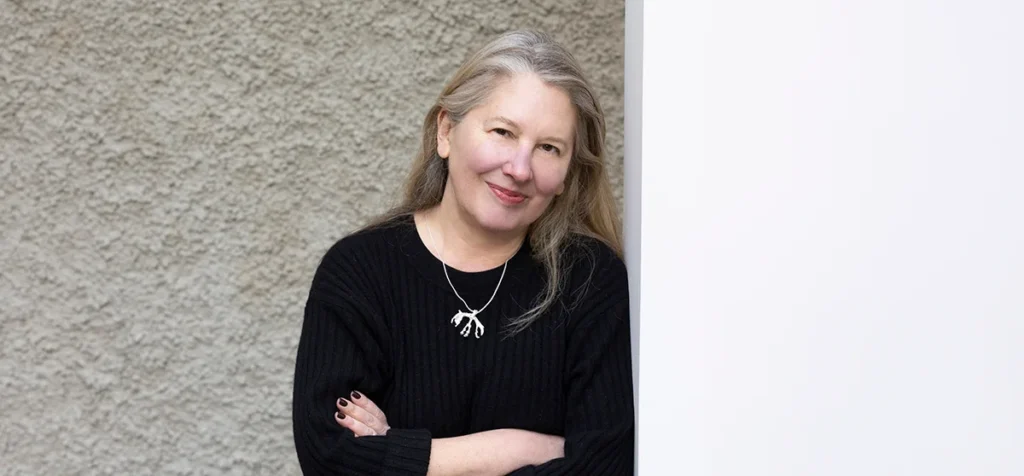
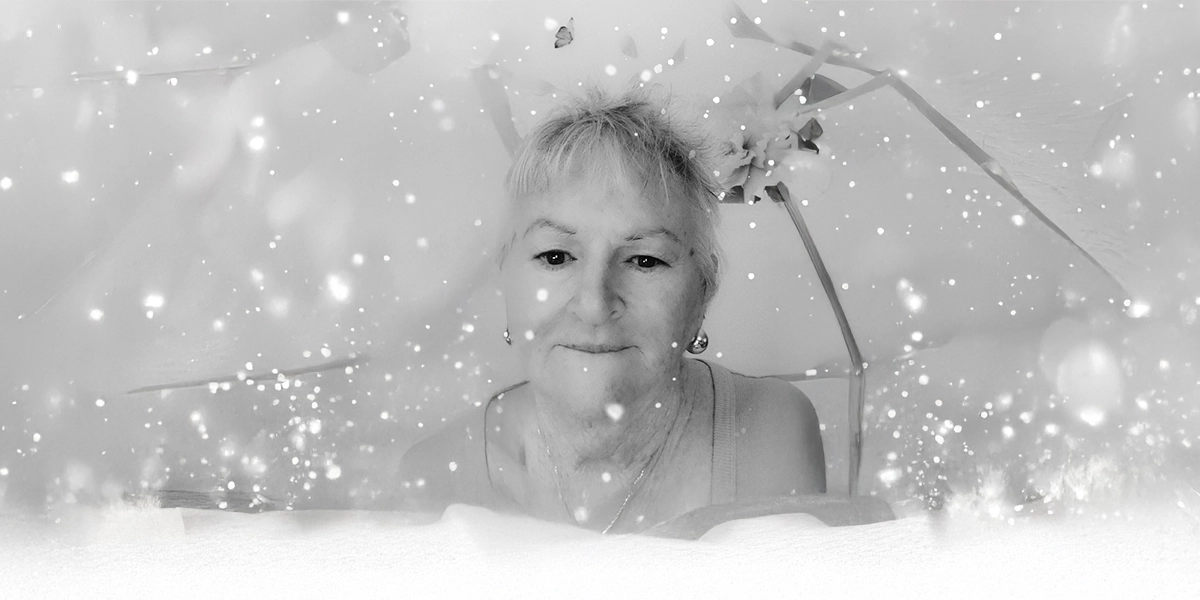
PHOTO: Diana Mercedes Howell at her home in Washington State, where she brings childhood adventures to life through heartfelt storytelling.
From Childhood Memories to Middle-Grade Magic
Diana Mercedes Howell reveals her inspiring journey to authorship at fifty-three, the heartfelt origins of Wishes Are Free, and how personal memories shaped her emotionally rich, cross-generational storytelling.
Diana Mercedes Howell, author of the acclaimed middle-grade novel Wishes Are Free, has carved a meaningful place in contemporary children’s literature by weaving stories rich in compassion, curiosity, and the magic of youth. Beginning her writing journey at fifty-three, Howell proves that creativity has no expiration date and that stories from the heart can resonate across generations.
Set in 1959 Campbell, California, Wishes Are Free offers a nostalgic yet timeless glimpse into childhood. Through her central character, Rose O’Reilly, Howell captures the innocence, complexity, and emotional depth of growing up, crafting an episodic narrative that mirrors her own experiences. Originally written as short stories for her intellectually challenged best friend, April, the book grew organically. “By linking these short stories together, Wishes is naturally episodic,” Howell explains. “Each part is a mini-novel within the whole.”
Howell brings warmth, honesty, and imagination to children’s literature, crafting timeless stories that touch hearts and inspire readers of all ages.
The decision to begin writing seriously later in life came with a sense of urgency and purpose. “It was time to stop ignoring the signs,” Howell says. “It was a now-or-never decision. Jump off the cliff and see if you can fly.” What followed was a journey not just of storytelling, but of healing and self-discovery. Her first published piece, fittingly titled It’s Never Too Late, echoed her own creative awakening.
Howell’s upbringing—marked by love, uncertainty, and emotional turbulence—greatly shaped the themes in her work. With a father who battled alcoholism and a mother facing depression, she recalls a childhood filled with emotional unpredictability. These early experiences informed her exploration of misunderstandings and emotional nuance in Wishes Are Free, where Rose’s good intentions often result in unintended trouble. Still, joy permeates the narrative, from slumber parties and beach trips to kiddie matinees and adolescent crushes.
Much of Howell’s writing draws from life. “Every character in Wishes Are Free is based on me or people I encountered growing up,” she notes. Rose and Grandpa, in particular, reflect two sides of the author herself, adding an autobiographical dimension to the story. This authenticity enables both children and adults to connect deeply with the characters. While young readers identify with Rose’s earnestness and challenges, adults often see themselves in Grandpa’s gentle wisdom.
So what makes a children’s book resonate beyond its intended age group? According to Howell, it’s all about emotional truth. “Emotions are universal,” she says. “Many say they were reminded, in a delightful way, of their own experiences growing up.” Whether it’s the nostalgia of the setting or the heartfelt connections between characters, Wishes Are Free speaks to readers on multiple levels.
Imagination plays a central role in Howell’s process. “This is the fun part! I love the freedom to go wild,” she says. Drawing inspiration from Bob Ross’s painting techniques, she layers description, dialogue, and emotion to build vivid scenes. Interestingly, she finds crafting villains especially enjoyable—perhaps revealing a hidden part of herself she playfully questions.
To aspiring authors—especially those starting later in life—Howell offers simple, passionate advice: “If you can’t not write, there’s your cue.” She encourages writers to explore what excites them, keep refining their craft, and never shy away from rewriting. “Let ‘It isn’t good enough’ be your mantra,” she advises. “That is the only way your writing will be the best you have in you.”
She also champions critique groups and voracious reading as essential tools for growth, reminding new writers of the persistence required. “Kate DiCamillo endured 473 rejections before Because of Winn-Dixie was accepted,” she says. “Don’t give up.”
Diana Mercedes Howell’s story is not just about writing a book—it’s about listening to that persistent voice within, embracing imagination, and believing it’s never too late to start. Her words, much like her protagonist Rose’s diary entries, linger long after the final page is turned.
This article was adapted from an interview with Diana Mercedes Howell in the latest issue of Reader’s House.